Categories
Blog

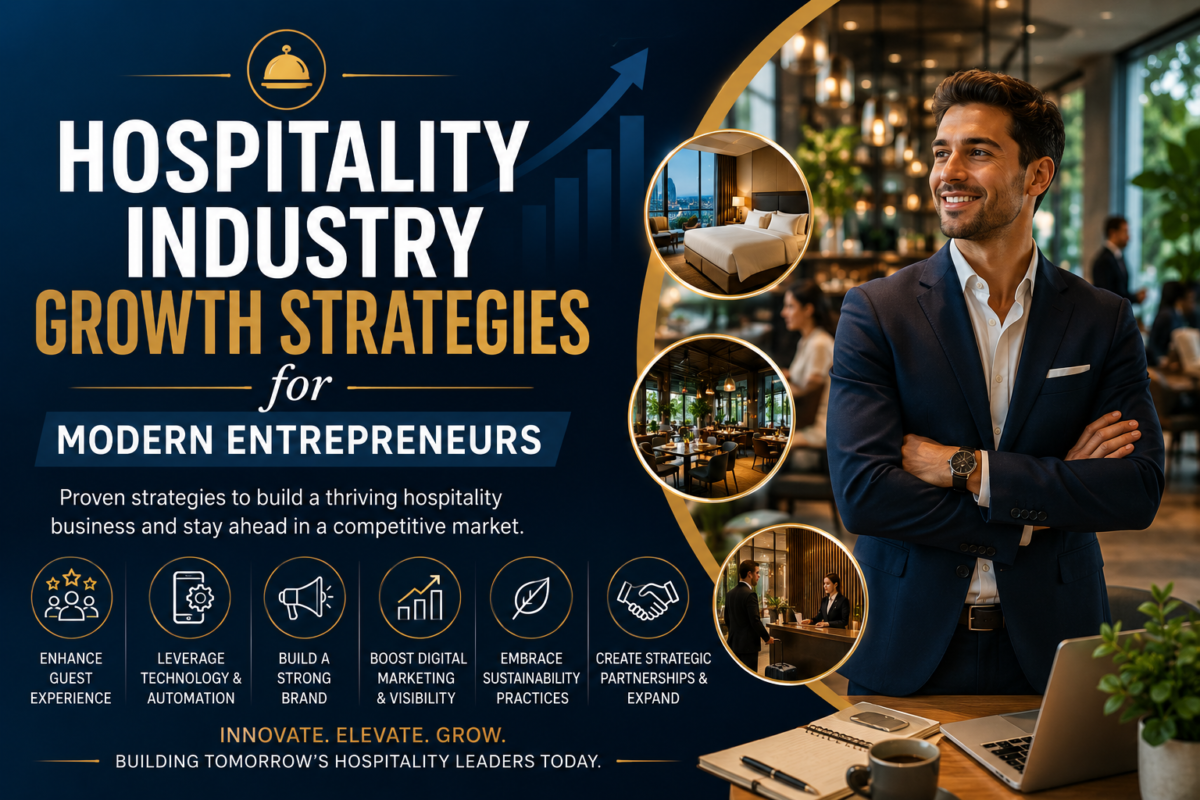
Hospitality Industry Growth Strategies for Modern Entrepreneurs

The hospitality industry continues to evolve rapidly as consumer expectations, technology, and global travel trends reshape the marketplace. Modern entrepreneurs entering the hospitality sector must focus on innovation, customer experience, and strategic growth initiatives to remain competitive. Whether operating a restaurant, hotel, resort, nightlife venue, or hospitality consulting business, understanding the latest growth strategies can help entrepreneurs achieve long-term success.

As competition increases across global markets, hospitality leaders are adopting new business models that emphasize personalization, digital transformation, sustainability, and premium guest experiences. These strategies are helping hospitality brands expand their reach while building stronger customer loyalty.

Understanding the Modern Hospitality Landscape

Today’s hospitality industry is significantly different from what it was a decade ago. Customers now expect seamless digital experiences, personalized service, and memorable interactions throughout their journey.

Modern entrepreneurs must recognize that hospitality is no longer limited to providing accommodations or food services. Instead, it revolves around creating experiences that encourage repeat visits, positive reviews, and long-term brand engagement.

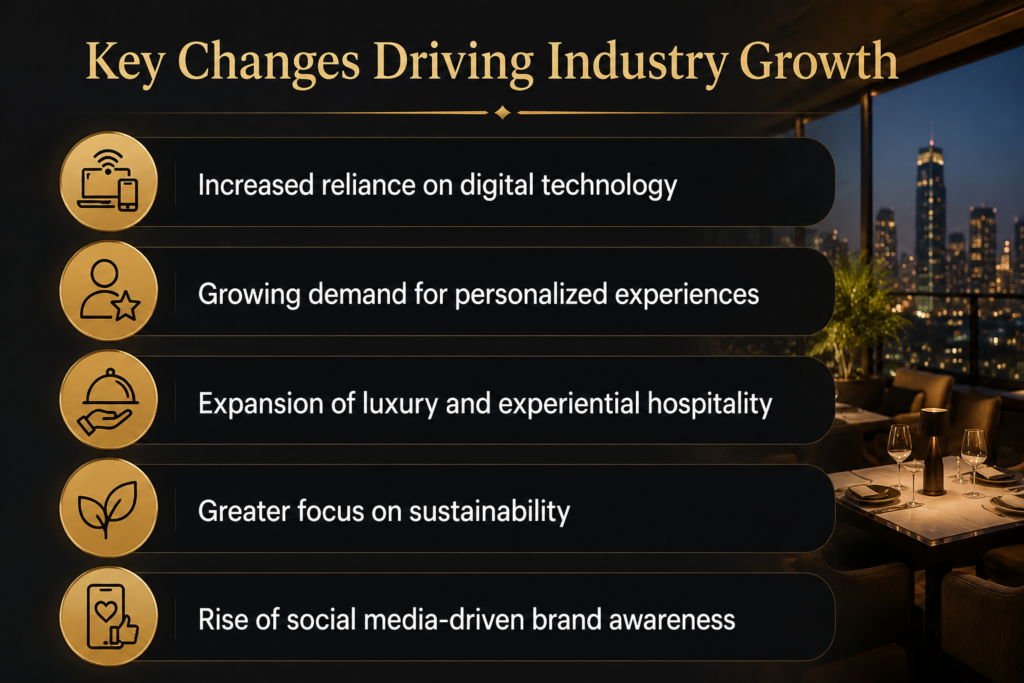
Key Changes Driving Industry Growth

  • Increased reliance on digital technology
  • Growing demand for personalized experiences
  • Expansion of luxury and experiential hospitality
  • Greater focus on sustainability
  • Rise of social media-driven brand awareness

Understanding these shifts allows hospitality entrepreneurs to position their businesses for sustainable growth.
Invest in Exceptional Guest Experiences

One of the most effective growth strategies in hospitality is delivering outstanding guest experiences. Customers are willing to pay premium prices for businesses that provide personalized attention and memorable interactions.

Modern hospitality brands use customer data to understand preferences and tailor services accordingly. Personalized recommendations, VIP experiences, and exclusive offerings can significantly improve guest satisfaction.

Ways to Enhance Guest Experiences

Personalization

Use customer insights to customize services, dining experiences, and accommodations based on individual preferences.

Staff Training

Well-trained employees create positive interactions that strengthen customer loyalty and improve brand reputation.

Experience-Focused Services

Offer unique activities, events, or amenities that differentiate your business from competitors.

Businesses that consistently exceed guest expectations often benefit from stronger customer retention and increased word-of-mouth referrals.

Leverage Technology for Business Growth

Technology has become a major driver of success in the hospitality industry. Entrepreneurs who embrace digital transformation can streamline operations while enhancing the customer experience.

From online booking platforms to artificial intelligence-powered customer service, technology helps hospitality businesses operate more efficiently.

Essential Hospitality Technologies

Online Reservation Systems

Modern reservation platforms simplify booking processes and improve customer convenience.

Customer Relationship Management (CRM)

CRM systems help businesses track guest preferences, manage loyalty programs, and improve communication.

Artificial Intelligence

AI can assist with customer support, demand forecasting, pricing optimization, and personalized recommendations.

Mobile Solutions

Mobile apps and contactless services provide greater convenience while meeting evolving customer expectations.

By investing in technology, entrepreneurs can improve operational efficiency and create scalable business models.

Build a Strong Hospitality Brand

Branding plays a crucial role in hospitality industry growth. A strong brand helps businesses stand out in competitive markets and establishes trust with potential customers.

Successful hospitality brands create a consistent identity across all customer touchpoints, including websites, social media, advertising, and physical locations.

Components of Effective Hospitality Branding

  • Clear brand positioning
  • Consistent visual identity
  • Compelling storytelling
  • Positive customer reviews
  • Strong online presence

A recognizable brand can attract new customers while increasing loyalty among existing guests.

Focus on Digital Marketing and Online Visibility

Digital marketing has become essential for hospitality entrepreneurs seeking long-term growth. Consumers often research hotels, restaurants, and hospitality services online before making purchasing decisions.

Businesses that invest in search engine optimization (SEO), content marketing, and social media engagement can reach larger audiences and generate more bookings.

Effective Digital Marketing Strategies

Search Engine Optimization (SEO)

Optimizing websites for relevant hospitality keywords helps improve search engine rankings and attract organic traffic.

Content Marketing

Publishing informative blogs, travel guides, and industry insights establishes authority and improves online visibility.

Social Media Marketing

Platforms such as Instagram, Facebook, and LinkedIn allow hospitality brands to showcase experiences and engage with customers.

Reputation Management

Monitoring online reviews and responding professionally can strengthen customer trust and improve brand perception.

A comprehensive digital marketing strategy enables hospitality businesses to expand their market reach and increase revenue opportunities.

Embrace Sustainability as a Growth Strategy

Sustainability is becoming a key factor influencing customer decisions. Modern travelers and diners increasingly support businesses that demonstrate environmental responsibility.

Hospitality entrepreneurs can benefit from implementing eco-friendly practices that reduce costs while enhancing brand reputation.

Sustainable Hospitality Initiatives

  • Energy-efficient operations
  • Waste reduction programs
  • Sustainable sourcing practices
  • Eco-friendly building design
  • Local community partnerships

Businesses that prioritize sustainability often attract environmentally conscious consumers and gain a competitive advantage.

Expand Through Strategic Partnerships

Partnerships can accelerate growth by providing access to new markets, customers, and resources. Hospitality entrepreneurs should explore collaborations with travel companies, event organizers, influencers, and complementary businesses.

Strategic partnerships can help increase brand exposure while creating valuable opportunities for cross-promotion.

Benefits of Strategic Partnerships

  • Increased market reach
  • Enhanced brand credibility
  • Shared marketing opportunities
  • Access to new customer segments
  • Improved revenue potential

Collaborative growth strategies often generate faster results than operating independently.

Conclusion

The hospitality industry offers significant opportunities for entrepreneurs who embrace innovation, customer-centric strategies, and digital transformation. By focusing on exceptional guest experiences, leveraging technology, strengthening branding efforts, investing in digital marketing, implementing sustainable practices, and developing strategic partnerships, hospitality businesses can achieve long-term growth and profitability.

As the industry continues evolving, entrepreneurs who adapt to changing consumer expectations and market trends will be best positioned to succeed in the increasingly competitive global hospitality landscape.
Categories
Blog

Top Hospitality Trends Shaping the Industry in 2026

The hospitality industry is evolving faster than ever. In 2026, hotels, restaurants, nightlife venues, and luxury hospitality brands are embracing innovation, technology, and customer-focused experiences to remain competitive in a global market. Hospitality entrepreneurs and restaurateurs are now focusing on personalization, sustainability, digital engagement, and immersive guest experiences to attract modern consumers.

Industry leaders like Nana Addaquay continue to influence the global hospitality landscape through luxury dining concepts, innovative nightlife experiences, and international hospitality development strategies.

The Rise of Personalized Guest Experiences

Modern travelers and diners expect personalized experiences tailored to their preferences. Hospitality businesses are now using customer data, artificial intelligence, and loyalty programs to create customized guest journeys.

Hotels are offering personalized room settings, restaurants are designing curated dining experiences, and luxury venues are focusing on exclusive VIP services. Personalized hospitality creates stronger customer loyalty and improves brand reputation in highly competitive markets.

Why Personalization Matters in Hospitality

  • Improves guest satisfaction
  • Increases repeat business
  • Strengthens customer loyalty
  • Enhances online reviews and reputation
  • Creates memorable luxury experiences

Global hospitality innovators such as About Nana Addaquay demonstrate how high-end hospitality concepts can combine exclusivity with customer-centered experiences.

Technology Is Transforming Hospitality Operations

Technology is becoming one of the biggest drivers of hospitality growth in 2026. AI-powered booking systems, contactless check-ins, smart hotel rooms, and automated customer service tools are helping businesses improve efficiency while enhancing guest experiences.

Restaurants and nightlife venues are also using digital platforms for reservations, mobile ordering, and targeted marketing campaigns.

Key Hospitality Technologies in 2026

AI and Automation

Artificial intelligence is helping hospitality businesses manage reservations, predict customer preferences, and optimize operations.

Contactless Services

Mobile check-ins, digital menus, and touchless payment systems continue to grow in popularity among guests seeking convenience and safety.

Smart Hospitality Spaces

Luxury hotels and restaurants are integrating smart lighting, voice-controlled environments, and digital concierge services.

Industry professionals following the Nana Addaquay profile can see how innovation and premium guest experiences continue shaping international hospitality brands.

Sustainability Is Becoming a Competitive Advantage

Sustainability is no longer optional in hospitality. Eco-conscious consumers now prefer hotels, restaurants, and hospitality venues that focus on environmentally responsible operations.

Hospitality brands are reducing waste, using energy-efficient systems, sourcing local ingredients, and implementing sustainable design strategies to attract modern travelers and diners.

Sustainable Hospitality Trends

  • Eco-friendly hotel construction
  • Farm-to-table restaurant concepts
  • Plastic-free operations
  • Energy-efficient hospitality spaces
  • Sustainable luxury travel experiences

Businesses that prioritize sustainability are building stronger relationships with environmentally conscious consumers while improving long-term operational efficiency.

Luxury Hospitality Continues to Expand Globally

Luxury hospitality remains one of the fastest-growing sectors in the industry. High-net-worth travelers are seeking unique experiences that combine fine dining, entertainment, design, and exclusivity.

Global hospitality entrepreneurs are investing in luxury restaurants, boutique hotels, private members clubs, and immersive nightlife concepts across international markets.

Emerging Luxury Hospitality Markets

Middle East

Luxury tourism and hospitality investment continue growing rapidly across major Middle Eastern cities.

Aisa

Asia remains a key destination for upscale hospitality expansion and innovative dining experiences.

Europe and North America

Established luxury markets continue evolving through experiential hospitality concepts and premium lifestyle branding.

The Official Nana Addaquay page highlights how global hospitality development is adapting to changing guest expectations through elevated design, culinary innovation, and premium customer experiences.

The Future of Hospitality in 2026

The hospitality industry in 2026 is being shaped by innovation, sustainability, personalization, and luxury experiences. Businesses that adapt to changing consumer expectations and embrace digital transformation will continue leading the global market.

Hospitality entrepreneurs, About Nana Addaquay restaurateurs, and luxury developers are redefining how guests experience travel, dining, and entertainment worldwide. As the industry evolves, companies that focus on customer engagement, advanced technology, and premium hospitality experiences will remain ahead of the competition.

By following emerging trends and investing in modern hospitality strategies, businesses can create long-term growth opportunities in an increasingly global and experience-driven industry.

Categories
Blog

Why Every Hospitality Entrepreneur Must Think Globally in 2026

In today’s rapidly evolving hospitality industry, thinking locally is no longer enough. Global expansion, international branding, and cross-cultural guest experiences are becoming essential for long-term success. Industry leaders like Nana Addaquay demonstrate how a modern Hospitality Entrepreneur can build internationally recognized restaurant concepts and luxury dining experiences across multiple markets.

As competition grows in 2026, every Global Hospitality Developer and Restaurateur must adopt a global mindset to stay ahead. From luxury restaurants to lifestyle hospitality brands, businesses that embrace international trends are gaining stronger customer loyalty, higher visibility, and greater investment opportunities.

The Rise of Global Hospitality in 2026

The hospitality industry has changed dramatically over the last few years. Travelers now expect premium experiences, personalized service, and globally inspired dining concepts wherever they go. This shift has encouraged hospitality leaders to expand beyond local markets.

A successful Hospitality Entrepreneur today must understand:

  • International dining trends
  • Global consumer behavior
  • Luxury hospitality standards
  • Technology-driven guest experiences
  • Cultural adaptation strategies

Professionals like Nana Addaquay represent a new generation of hospitality innovators focused on building scalable brands with international appeal.

Why Global Thinking Creates Stronger Hospitality Brands

Expanding Beyond One Market

One of the biggest advantages of global thinking is scalability. A restaurant or hospitality brand that performs well locally can often succeed internationally with the right strategy.

A Global Hospitality Developer understands how to:

  • Adapt concepts for different regions
  • Create culturally relevant dining experiences
  • Develop luxury lifestyle branding
  • Build partnerships with international investors

Global expansion also helps businesses reduce dependency on one market while increasing brand authority worldwide.

International Branding Builds Credibility

Consumers are naturally attracted to hospitality brands with international recognition. A Restaurateur with a global presence often gains stronger trust from guests, media outlets, and investors.

In 2026, branding is no longer limited to logos and interiors. Successful hospitality brands focus on:

  • Digital visibility
  • Luxury customer experiences
  • Social media storytelling
  • Destination dining concepts
  • Influencer and travel collaborations

Hospitality entrepreneurs who position themselves internationally often achieve greater long-term growth.

Technology Is Driving Global Hospitality Growth

Technology continues to transform how hospitality businesses operate. From AI-powered reservations to personalized guest experiences, innovation is becoming a major competitive advantage.

Modern Hospitality Entrepreneurs are investing in:

  • Smart booking systems
  • Data-driven customer insights
  • Digital marketing campaigns
  • Online reputation management
  • Virtual hospitality experiences

Leaders like Nana Addaquay understand that technology and hospitality now work together to shape the future of luxury dining and entertainment.

Cultural Understanding Matters More Than Ever

Guests Expect Authentic Experiences

Global travelers are searching for authentic and memorable experiences. This means hospitality brands must balance luxury with cultural understanding.

A successful Restaurateur in 2026 should focus on:

  • Localized menu design
  • Regional hospitality traditions
  • Personalized customer service
  • Inclusive dining environments

Understanding cultural expectations helps businesses create stronger emotional connections with guests.

International Networking Creates New Opportunities

Networking across countries allows hospitality entrepreneurs to discover new partnerships, trends, and investment opportunities. Many successful Global Hospitality Developers attend international hospitality conferences, collaborate with chefs worldwide, and explore emerging tourism markets.

Global networking can lead to:

  • Brand collaborations
  • Franchise opportunities
  • Luxury hotel partnerships
  • International restaurant launches

The Future of Hospitality Entrepreneurship

The hospitality industry in 2026 is becoming more experience-driven than ever before. Customers want more than food and accommodation — they want memorable moments, premium service, and innovative concepts.

This shift creates exciting opportunities for ambitious Hospitality Entrepreneurs willing to think globally. Whether developing luxury restaurants, nightlife venues, or lifestyle hospitality brands, international thinking is now a critical business strategy.

Entrepreneurs who embrace innovation, branding, and cultural awareness will continue leading the next generation of hospitality success.

Conclusion

The future belongs to hospitality leaders who can combine creativity, technology, and international vision. As global competition continues to rise, thinking beyond local markets is essential for sustainable growth.

Industry professionals like Nana Addaquay highlight the importance of global strategy, luxury branding, and innovative hospitality development in 2026. For every aspiring Hospitality Entrepreneur, Global Hospitality Developer, and Restaurateur, the key to long-term success is building experiences that resonate with audiences worldwide.

Categories
Blog

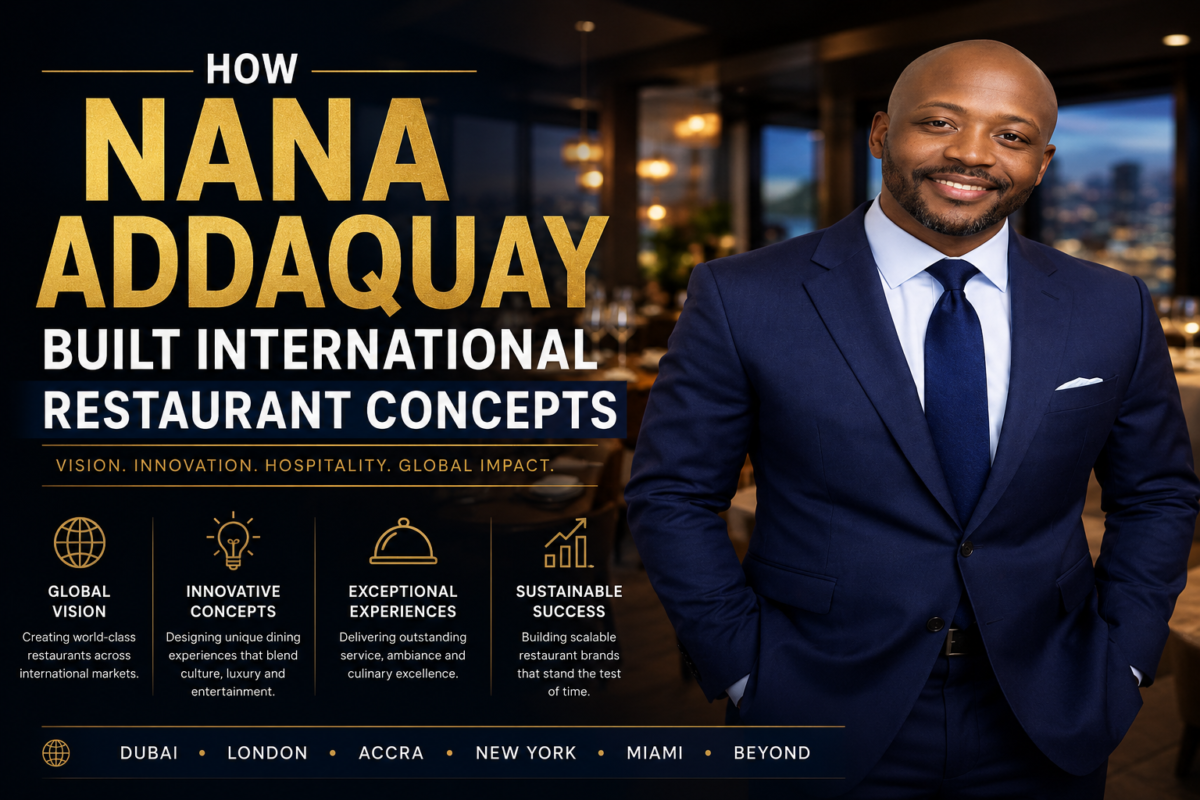
How Nana Addaquay Built International Restaurant Concepts

Introduction

The global hospitality industry is constantly evolving, and few entrepreneurs have managed to create a strong international presence like Nana Addaquay. Known for developing premium dining experiences and modern nightlife destinations, Nana Addaquay has become a recognized name in hospitality development. His ability to combine luxury design, customer experience, and market research has helped him build successful restaurant concepts across major international cities.

From upscale dining spaces to lifestyle-driven hospitality brands, Nana Addaquay focuses on creating destinations that offer more than just food. His projects are designed to deliver memorable guest experiences while maintaining strong business growth and brand identity.

The Vision Behind Nana Addaquay’s Restaurant Concepts

Creating Experiences Instead of Just Restaurants

One of the biggest reasons Nana Addaquay stands out in the hospitality industry is his focus on experience-driven dining. Modern consumers want unique atmospheres, stylish interiors, quality service, and entertainment alongside exceptional cuisine. Nana Addaquay understands these trends and develops concepts that connect emotionally with guests.

His restaurant strategies often combine luxury dining, nightlife, music, and social experiences into one destination. This approach helps attract international travelers, business professionals, and high-end customers looking for premium hospitality experiences.

Understanding Global Market Trends

A key factor in Nana Addaquay’s success is his deep understanding of international hospitality trends. Before launching a restaurant concept, extensive market research is conducted to identify customer behavior, tourism growth, and lifestyle demands in each city.

By studying dining trends, nightlife culture, and consumer expectations, Nana Addaquay creates restaurant brands that fit both local preferences and global luxury standards. This balance allows his concepts to succeed in competitive international markets.

Building Strong Hospitality Brands

Focus on Luxury and Brand Identity

Strong branding is essential in the hospitality industry. Nana Addaquay focuses heavily on building recognizable restaurant identities that stand out from competitors. Every concept is designed with a clear brand personality, from architecture and menu presentation to customer service and digital marketing.

Luxury aesthetics, modern interiors, and premium guest experiences are central to his hospitality strategy. This attention to detail helps create strong customer loyalty and social media visibility, which are critical for modern restaurant success.

Strategic Partnerships and Investments

International restaurant development often requires collaboration with investors, chefs, designers, and hospitality professionals. Nana Addaquay has built successful partnerships that support expansion into new global markets.

These collaborations help strengthen operations, improve customer experiences, and increase brand reach. By combining business strategy with creative innovation, Nana Addaquay continues to grow his influence in global hospitality development.

Innovation in International Hospitality

Adapting to Changing Consumer Expectations

The hospitality industry changes rapidly, especially with digital trends and evolving customer expectations. Nana Addaquay focuses on innovation by integrating modern technology, social media branding, and customer-focused experiences into restaurant operations.

From reservation systems to immersive dining experiences, his hospitality concepts are designed to stay ahead of industry trends. This forward-thinking mindset has helped his brands remain competitive in international markets.

Expanding Global Hospitality Influence

As international travel and luxury dining continue to grow, Nana Addaquay remains focused on expanding hospitality concepts into major cities worldwide. His approach combines business growth with premium guest experiences, making his projects attractive to global audiences.

The success of his restaurant concepts highlights the importance of innovation, branding, and customer engagement in the modern hospitality industry.

Conclusion

Nana Addaquay has established himself as a leading hospitality entrepreneur by creating international restaurant concepts that blend luxury, entertainment, and exceptional customer experiences. Through market research, strategic branding, and innovative hospitality strategies, he continues to shape the future of global dining and nightlife. As the hospitality industry evolves, Nana Addaquay’s focus on premium experiences and international expansion positions him as a growing influence in restaurant development worldwide.

Categories
Blog

Nana Addaquay – Global Hospitality Developer: Roles, Skills & Industry Impact

In today’s fast-evolving hospitality landscape, Nana Addaquay – Global Hospitality Developer represents the vision, innovation, and leadership required to shape world-class dining and lifestyle experiences. A Global Hospitality Developer plays a critical role in creating, scaling, and transforming hospitality brands across international markets. Whether working as a Restaurateur or a Hospitality Entrepreneur, this role blends creativity with strategic execution to deliver exceptional guest experiences.

What is a Global Hospitality Developer?

A Global Hospitality Developer is a professional responsible for conceptualizing, designing, and launching hospitality projects such as restaurants, hotels, lounges, and nightlife venues across multiple countries. Unlike traditional operators, they focus on building scalable, high-impact concepts that resonate with diverse audiences.

This role often overlaps with that of a Restaurateur, who manages and operates dining establishments, and a Hospitality Entrepreneur, who identifies opportunities, invests in new ventures, and drives innovation in the industry.

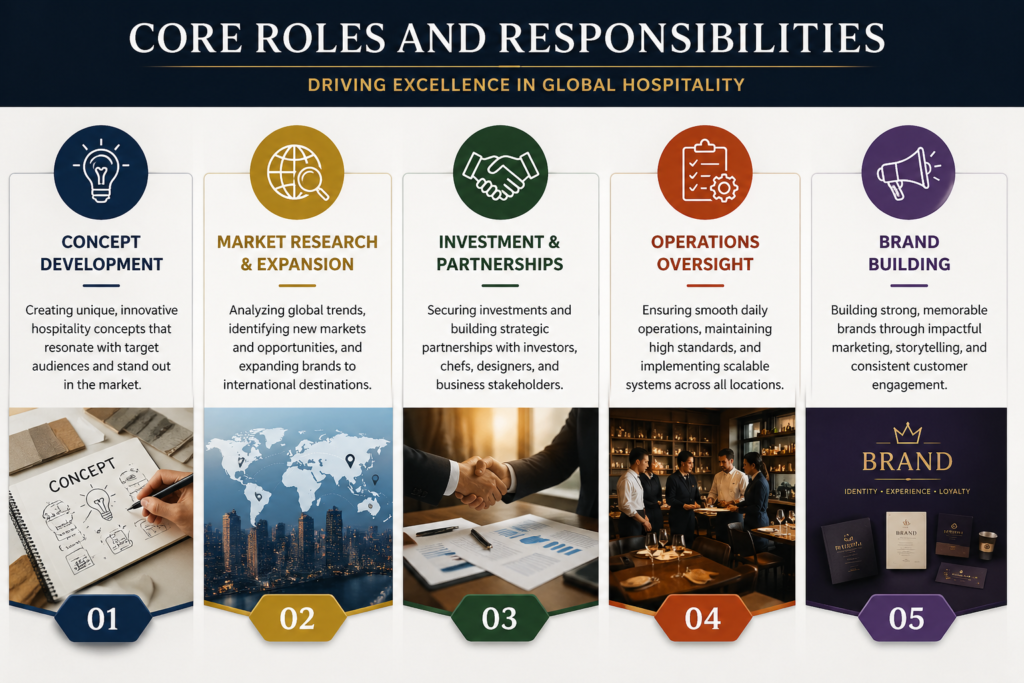
Core Roles and Responsibilities

Core Roles and Responsibilities

1. Concept Development

A Global Hospitality Developer is deeply involved in creating unique and market-driven concepts. This includes branding, theme development, menu strategy, and customer experience design.

2. Market Research & Expansion

Understanding global trends is essential. Developers analyze international markets to identify growth opportunities and ensure each concept aligns with local culture while maintaining a global appeal.

3. Investment & Partnerships

As a Hospitality Entrepreneur, securing investors and forming strategic partnerships is key. Developers often collaborate with chefs, designers, and business stakeholders to bring projects to life.

4. Operations Oversight

While a Restaurateur focuses on day-to-day operations, a Global Hospitality Developer ensures that systems, processes, and standards are scalable and consistent across locations.

5. Brand Building

Creating a strong, recognizable brand is essential. Developers work on marketing strategies, digital presence, and customer engagement to position their concepts globally.

Essential Skills for a Global Hospitality Developer

Strategic Thinking

A successful Global Hospitality Developer must think long-term, identifying trends and opportunities before they become mainstream.

Leadership & Management

Managing diverse teams across different regions requires strong leadership and communication skills.

Financial Acumen

Understanding budgets, ROI, and investment strategies is critical for sustainable growth.

Creativity & Innovation

Whether designing a new restaurant concept or enhancing guest experiences, creativity sets top developers apart.

Cultural Awareness

Operating globally means adapting to different cultures, cuisines, and customer expectations—something every Hospitality Entrepreneur must master.

The Role of a Restaurateur in Global Development

A Restaurateur is often the backbone of hospitality ventures. While a Global Hospitality Developer focuses on expansion and strategy, the restaurateur ensures operational excellence. Together, they create a balance between innovation and execution.

In many cases, one individual may embody both roles—developing concepts while managing flagship locations to maintain quality and brand consistency.

Hospitality Entrepreneur: Driving Innovation

The rise of the Hospitality Entrepreneur has transformed the industry. These professionals go beyond traditional models, introducing new dining formats, immersive experiences, and technology-driven solutions.

From cloud kitchens to luxury dining destinations, hospitality entrepreneurs are constantly redefining how people experience food and entertainment. A Global Hospitality Developer often operates with an entrepreneurial mindset, taking calculated risks to launch groundbreaking concepts.

Industry Impact of Global Hospitality Developers

1. Economic Growth

Hospitality projects create jobs, boost tourism, and contribute significantly to local economies.

2. Cultural Exchange

By introducing international concepts to new markets, developers promote cultural diversity and global culinary experiences.

3. Innovation in Dining

From sustainable practices to tech-integrated services, Global Hospitality Developers drive innovation across the industry.

4. Brand Globalization

They help transform local brands into global names, expanding reach and influence.

Future Trends in Global Hospitality Development

The role of a Global Hospitality Developer continues to evolve with industry trends:

  • Sustainability: Eco-friendly designs and responsible sourcing
  • Technology Integration: AI, automation, and digital ordering systems
  • Experiential Dining: Immersive and themed environments
  • Global Expansion: Rapid growth in emerging markets

As consumer expectations shift, both the Restaurateur and Hospitality Entrepreneur must adapt quickly to stay competitive.

Conclusion

The role of a Global Hospitality Developer is more important than ever in shaping the future of the hospitality industry. By combining the operational expertise of a Restaurateur with the vision of a Hospitality Entrepreneur, these professionals create impactful, scalable, and innovative hospitality experiences worldwide.

With leaders like Nana Addaquay – Global Hospitality Developer setting benchmarks in the industry, the future of hospitality development looks dynamic, global, and full of opportunity.

Categories
Blog

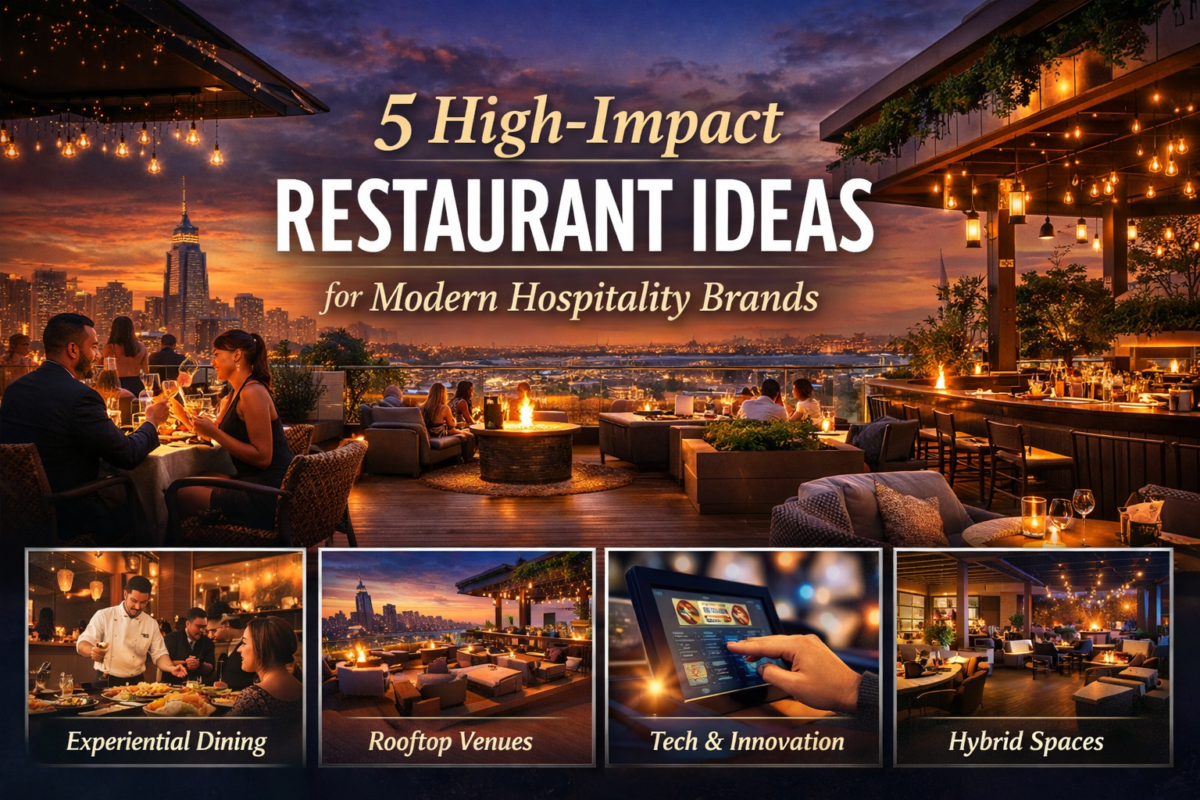
5 High-Impact Restaurant Ideas for Modern Hospitality Brands

The modern hospitality industry is evolving faster than ever. Guests are no longer satisfied with just great food—they expect immersive environments, memorable experiences, and a strong brand story. For developers and restaurateurs like Nana Addaquay, success lies in creating concepts that combine design, innovation, and customer engagement. Below are five high-impact restaurant ideas that are shaping the future of modern hospitality brands.

1. Experiential Dining Concepts

Today’s diners are looking for more than a meal—they want an experience. Experiential dining focuses on creating a multi-sensory environment where food, music, lighting, and design work together. This could include themed interiors, live performances, or chef-led interactive experiences. Restaurants that create emotional connections with guests tend to generate stronger loyalty and social media buzz, making them highly impactful in competitive markets.

2. Rooftop & Destination Dining

Location plays a major role in modern restaurant success. Rooftop venues, waterfront restaurants, and skyline lounges attract customers not just for food, but for the atmosphere and views. These destination-driven concepts are ideal for nightlife and premium dining. They also position the brand as a lifestyle experience rather than just a restaurant, increasing both foot traffic and brand value.

3. Concept-Driven Restaurant Branding

Strong branding is at the core of every successful hospitality venture. Modern restaurants are built around a clear concept—whether it’s cultural fusion, minimal luxury, or sustainability. Every element, from menu design to interior aesthetics, aligns with the brand identity. This consistency creates a recognizable and memorable experience, helping restaurants stand out in crowded urban markets.

4. Technology-Integrated Dining

Technology is transforming how restaurants operate and engage with customers. From digital menus and contactless ordering to AI-driven personalization and reservation systems, tech integration improves both efficiency and guest experience. Smart use of technology can reduce wait times, enhance service, and provide valuable customer insights, making it a crucial component of modern hospitality concepts.

5. Multi-Concept & Hybrid Spaces

One of the most innovative trends is the rise of hybrid hospitality spaces. These venues combine multiple experiences under one roof—such as a restaurant that transforms into a lounge or nightclub after hours. Some concepts also integrate co-working spaces, art galleries, or retail elements. This approach maximizes revenue streams and keeps the venue active throughout the day and night, offering guests a dynamic and versatile experience.

Why These Ideas Matter

High-impact restaurant concepts are not just about aesthetics or trends—they are about creating value. In a global market where competition is intense, restaurants must offer something unique and memorable. These ideas help brands differentiate themselves, attract diverse audiences, and build long-term customer loyalty.

Developers like Nana Addaquay have demonstrated that combining creativity with strategic planning leads to scalable and profitable hospitality ventures. By focusing on experience, location, branding, technology, and versatility, modern restaurant brands can position themselves for long-term success.

Final Thoughts

The future of hospitality belongs to brands that think beyond traditional dining. Whether it’s through immersive experiences, iconic locations, or innovative business models, high-impact ideas are essential for growth in today’s market. For anyone looking to build or invest in a restaurant, these five concepts provide a strong foundation for creating a successful and future-ready hospitality brand.

Categories
Uncategorized

Creating Unique Dining Concepts for Modern Restaurants

Discovering creative immersive spaces,  evolving guest preferences transforming modern experiences across global markets.

Focus: Innovation, atmosphere, and the “experience economy.”

Conclusion: Success in the modern market belongs to those who prioritize emotional connection over simple transactions.

Introduction: In a world where diners can get almost any cuisine delivered to their door, a physical restaurant must offer more than just food; it must offer a unique “concept.”

Key Pillars:

The Narrative: Every great restaurant tells a story, from the lighting and playlist to the origin of the ingredients.

Hybrid Spaces: Exploring the rise of “retail-dining” and multipurpose culinary hubs.

Sensory Design: How acoustics, scent, and tactile furniture influence the perception of taste.

Categories
Uncategorized

Expanding Hospitality Ventures Across Global Markets

Understanding how strong partnerships thinking strategic growth are helping hospitality businesses expand across international markets

  • Introduction: Taking a brand global is the ultimate test of a hospitality venture’s DNA. It requires a delicate balance between brand consistency and local relevance.
  • Strategies for Success:
    • Cultural Sensitivity: Understanding local dining habits and social etiquette without losing your brand’s core identity.
    • Strategic Partnerships: The importance of local “boots on the ground” to navigate real estate and regulatory hurdles.
    • Supply Chain Agility: Sourcing quality ingredients and talent in diverse geographic landscapes.
  • Conclusion: Global expansion isn’t just about footprint; it’s about becoming a meaningful part of a new community.

Categories
Uncategorized

The Future of Luxury Hospitality Development

Exploring how innovation, design, and guest expectations are shaping the next generation of luxury hospitality destinations around the world.

Focus: Technology, sustainability, and ultra-personalization.

Conclusion: The future of luxury lies in creating spaces that feel less like hotels and more like highly curated personal sanctuaries.

Introduction: The definition of luxury is shifting from “opulence and excess” to “time, privacy, and purpose.”

The New Standards:

Invisible Tech: How AI and IoT are being used to anticipate guest needs before they are even voiced, without being intrusive.

Eco-Luxury: Proving that high-end development can be regenerative, utilizing carbon-neutral materials and zero-waste operations.

Hyper-Personalization: Moving beyond “standard” VIP treatment to bespoke itineraries curated by data and human intuition.