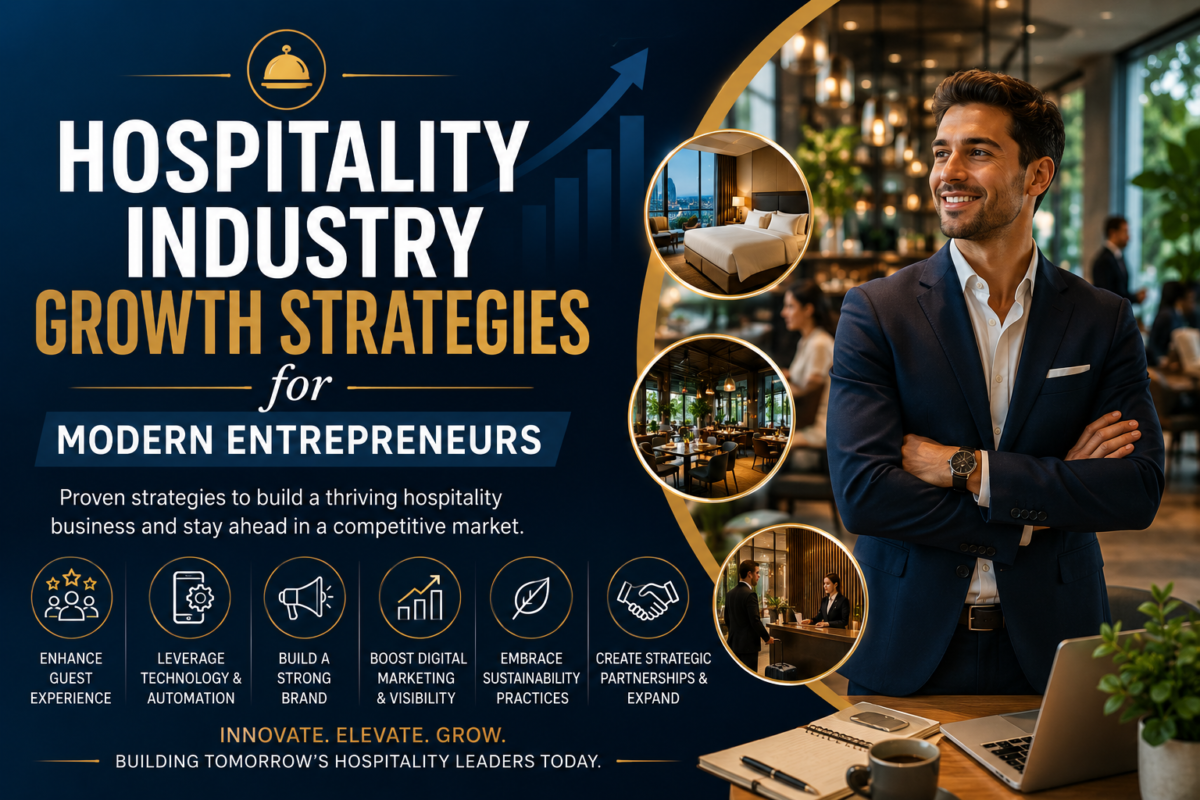
The hospitality industry continues to evolve rapidly as consumer expectations, technology, and global travel trends reshape the marketplace. Modern entrepreneurs entering the hospitality sector must focus on innovation, customer experience, and strategic growth initiatives to remain competitive. Whether operating a restaurant, hotel, resort, nightlife venue, or hospitality consulting business, understanding the latest growth strategies can help entrepreneurs achieve long-term success.
As competition increases across global markets, hospitality leaders are adopting new business models that emphasize personalization, digital transformation, sustainability, and premium guest experiences. These strategies are helping hospitality brands expand their reach while building stronger customer loyalty.
Understanding the Modern Hospitality Landscape
Today’s hospitality industry is significantly different from what it was a decade ago. Customers now expect seamless digital experiences, personalized service, and memorable interactions throughout their journey.
Modern entrepreneurs must recognize that hospitality is no longer limited to providing accommodations or food services. Instead, it revolves around creating experiences that encourage repeat visits, positive reviews, and long-term brand engagement.
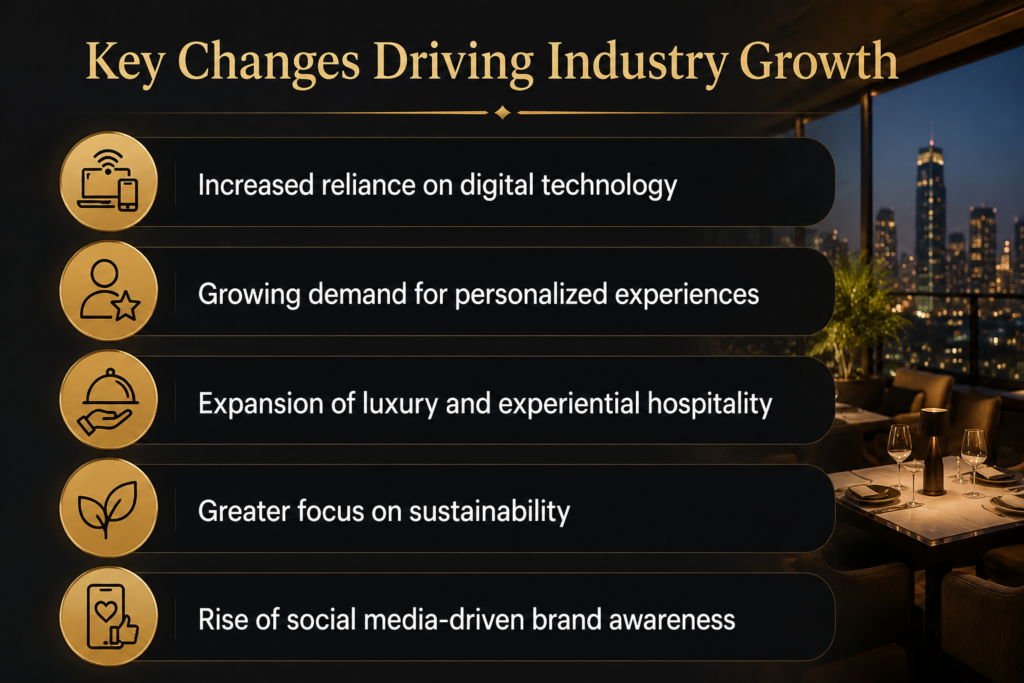
Key Changes Driving Industry Growth
- Increased reliance on digital technology
- Growing demand for personalized experiences
- Expansion of luxury and experiential hospitality
- Greater focus on sustainability
- Rise of social media-driven brand awareness
Understanding these shifts allows hospitality entrepreneurs to position their businesses for sustainable growth.
Invest in Exceptional Guest Experiences
One of the most effective growth strategies in hospitality is delivering outstanding guest experiences. Customers are willing to pay premium prices for businesses that provide personalized attention and memorable interactions.
Modern hospitality brands use customer data to understand preferences and tailor services accordingly. Personalized recommendations, VIP experiences, and exclusive offerings can significantly improve guest satisfaction.
Ways to Enhance Guest Experiences
Personalization
Use customer insights to customize services, dining experiences, and accommodations based on individual preferences.
Staff Training
Well-trained employees create positive interactions that strengthen customer loyalty and improve brand reputation.
Experience-Focused Services
Offer unique activities, events, or amenities that differentiate your business from competitors.
Businesses that consistently exceed guest expectations often benefit from stronger customer retention and increased word-of-mouth referrals.
Leverage Technology for Business Growth
Technology has become a major driver of success in the hospitality industry. Entrepreneurs who embrace digital transformation can streamline operations while enhancing the customer experience.
From online booking platforms to artificial intelligence-powered customer service, technology helps hospitality businesses operate more efficiently.
Essential Hospitality Technologies
Online Reservation Systems
Modern reservation platforms simplify booking processes and improve customer convenience.
Customer Relationship Management (CRM)
CRM systems help businesses track guest preferences, manage loyalty programs, and improve communication.
Artificial Intelligence
AI can assist with customer support, demand forecasting, pricing optimization, and personalized recommendations.
Mobile Solutions
Mobile apps and contactless services provide greater convenience while meeting evolving customer expectations.
By investing in technology, entrepreneurs can improve operational efficiency and create scalable business models.
Build a Strong Hospitality Brand
Branding plays a crucial role in hospitality industry growth. A strong brand helps businesses stand out in competitive markets and establishes trust with potential customers.
Successful hospitality brands create a consistent identity across all customer touchpoints, including websites, social media, advertising, and physical locations.
Components of Effective Hospitality Branding
- Clear brand positioning
- Consistent visual identity
- Compelling storytelling
- Positive customer reviews
- Strong online presence
A recognizable brand can attract new customers while increasing loyalty among existing guests.
Focus on Digital Marketing and Online Visibility
Digital marketing has become essential for hospitality entrepreneurs seeking long-term growth. Consumers often research hotels, restaurants, and hospitality services online before making purchasing decisions.
Businesses that invest in search engine optimization (SEO), content marketing, and social media engagement can reach larger audiences and generate more bookings.
Effective Digital Marketing Strategies
Search Engine Optimization (SEO)
Optimizing websites for relevant hospitality keywords helps improve search engine rankings and attract organic traffic.
Content Marketing
Publishing informative blogs, travel guides, and industry insights establishes authority and improves online visibility.
Social Media Marketing
Platforms such as Instagram, Facebook, and LinkedIn allow hospitality brands to showcase experiences and engage with customers.
Reputation Management
Monitoring online reviews and responding professionally can strengthen customer trust and improve brand perception.
A comprehensive digital marketing strategy enables hospitality businesses to expand their market reach and increase revenue opportunities.
Embrace Sustainability as a Growth Strategy
Sustainability is becoming a key factor influencing customer decisions. Modern travelers and diners increasingly support businesses that demonstrate environmental responsibility.
Hospitality entrepreneurs can benefit from implementing eco-friendly practices that reduce costs while enhancing brand reputation.
Sustainable Hospitality Initiatives
- Energy-efficient operations
- Waste reduction programs
- Sustainable sourcing practices
- Eco-friendly building design
- Local community partnerships
Businesses that prioritize sustainability often attract environmentally conscious consumers and gain a competitive advantage.
Expand Through Strategic Partnerships
Partnerships can accelerate growth by providing access to new markets, customers, and resources. Hospitality entrepreneurs should explore collaborations with travel companies, event organizers, influencers, and complementary businesses.
Strategic partnerships can help increase brand exposure while creating valuable opportunities for cross-promotion.
Benefits of Strategic Partnerships
- Increased market reach
- Enhanced brand credibility
- Shared marketing opportunities
- Access to new customer segments
- Improved revenue potential
Collaborative growth strategies often generate faster results than operating independently.
Conclusion
The hospitality industry offers significant opportunities for entrepreneurs who embrace innovation, customer-centric strategies, and digital transformation. By focusing on exceptional guest experiences, leveraging technology, strengthening branding efforts, investing in digital marketing, implementing sustainable practices, and developing strategic partnerships, hospitality businesses can achieve long-term growth and profitability.
As the industry continues evolving, entrepreneurs who adapt to changing consumer expectations and market trends will be best positioned to succeed in the increasingly competitive global hospitality landscape.